





Empire Home Solutions handles siding installation across Greater Cincinnati, in vinyl, fiber cement, engineered wood, and cedar. But here’s what most siding companies won’t tell you: the material on the box matters far less than what happens behind it. So we open the wall, replace any rotted sheathing, install proper house wrap and flashing, and leave vinyl the expansion gaps it needs. Because older Cincinnati and Norwood homes hide surprises under old siding, that behind-the-wall work is where a re-side succeeds or fails. As a result, every siding installation carries our lifetime craftsmanship warranty.
By Chris Kestel, Founder & Owner · Last Updated August 2026
A+ BBB Accredited · Proper House Wrap & Flashing · Lifetime Craftsmanship Warranty
A+ Rated · Fully Insured & Bonded · Lifetime Warranty
Siding rarely fails overnight — it declines. Here are the signs it’s time to re-side.
Notice these? New siding protects the structure and refreshes the whole exterior at once.
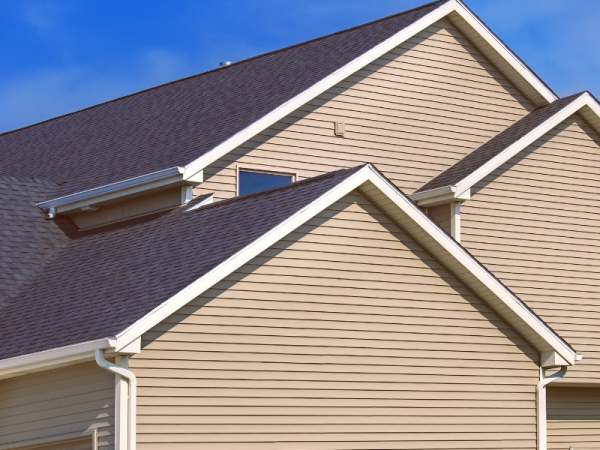
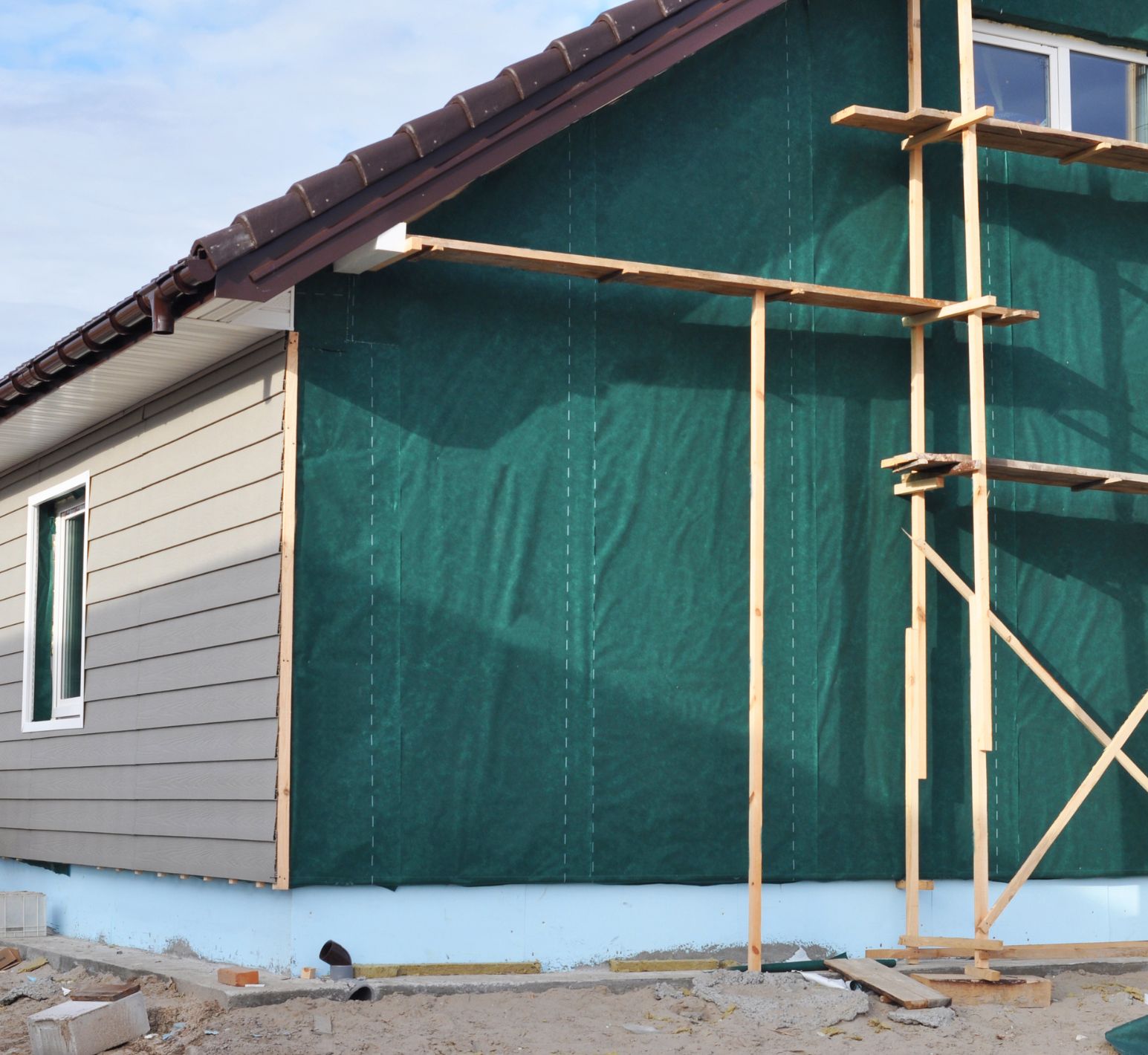
We keep the behind-the-wall work as rigorous as the finish. Here is how it works.
1. Exterior Inspection & Measurement
First, we assess the existing siding, note likely trouble walls, and measure the full exterior for an accurate quote.
2. Material Selection
Next, you choose the material and color. We explain how each performs in Ohio’s climate and what it costs before ordering.
3. Tear-Off & Sheathing Repair
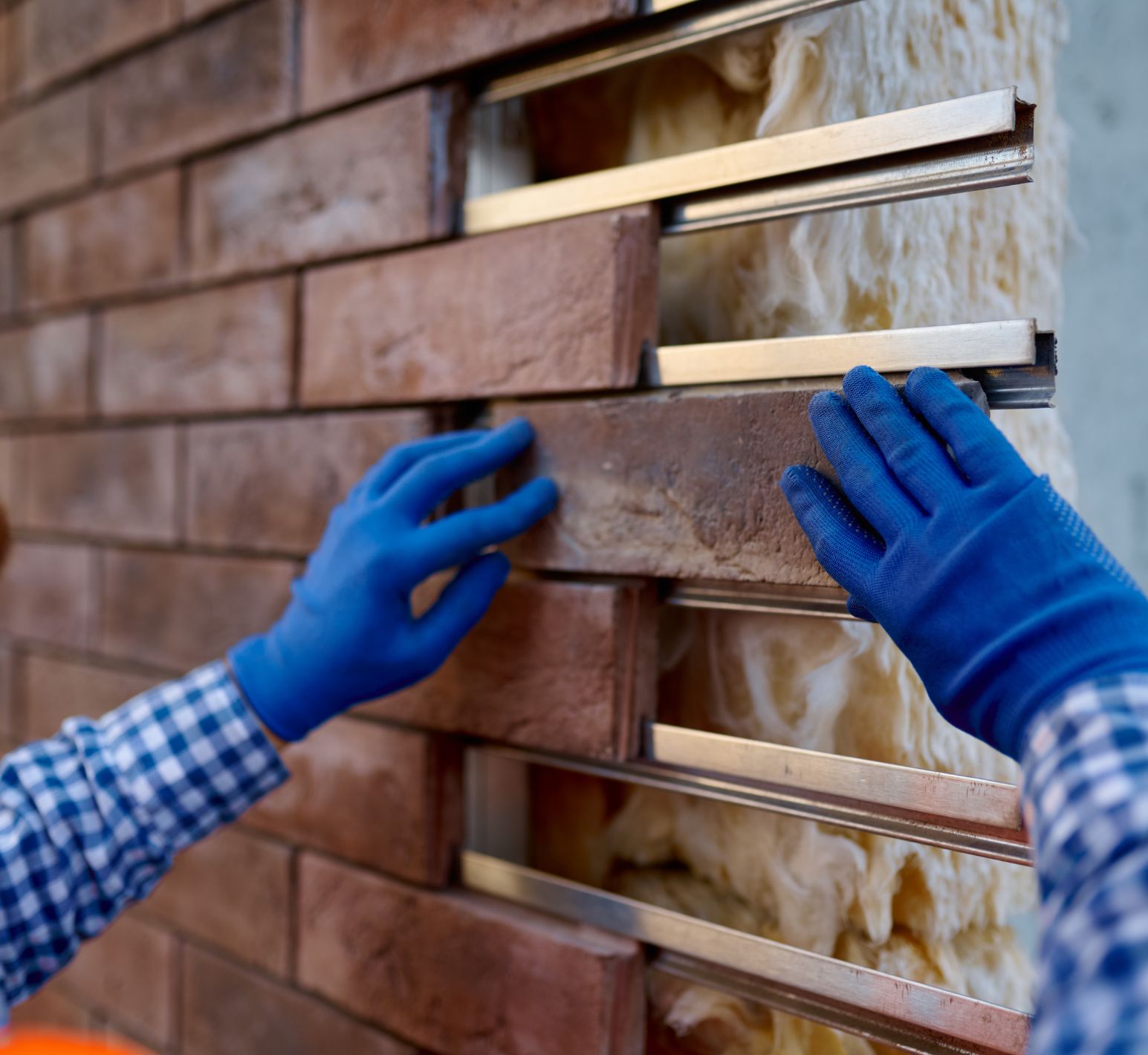
Then we remove the old siding — sometimes two layers on older homes — and replace any rotted or delaminated sheathing before new material goes on.
4. House Wrap, Flashing & Installation
After that, we install house wrap and flashing, then hang the new siding to spec, with correct expansion gaps and clean trim.
5. Cleanup & Walkthrough
Finally, we haul off the old material, clean the site, and walk the finished exterior with you.
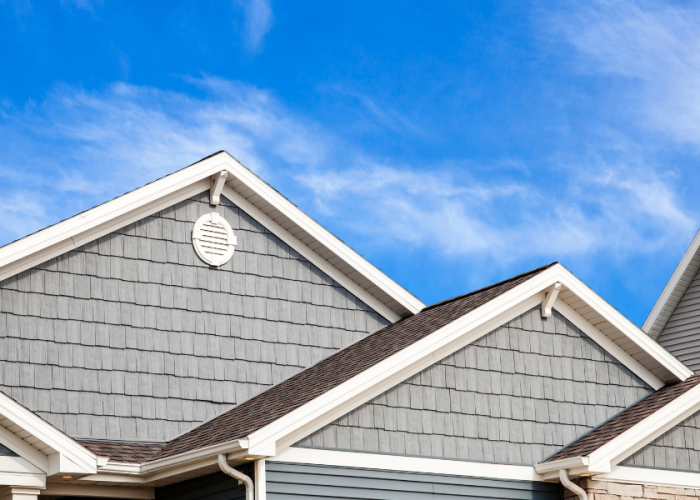
The practical choice for most Cincinnati homes. As a siding installation company, we leave vinyl the expansion gaps it needs, because panels fastened too tight buckle within a few seasons — the single most common mistake we fix on other crews’ work. Insulated vinyl adds a modest cost and measurably cuts drafts on older, leakier walls.
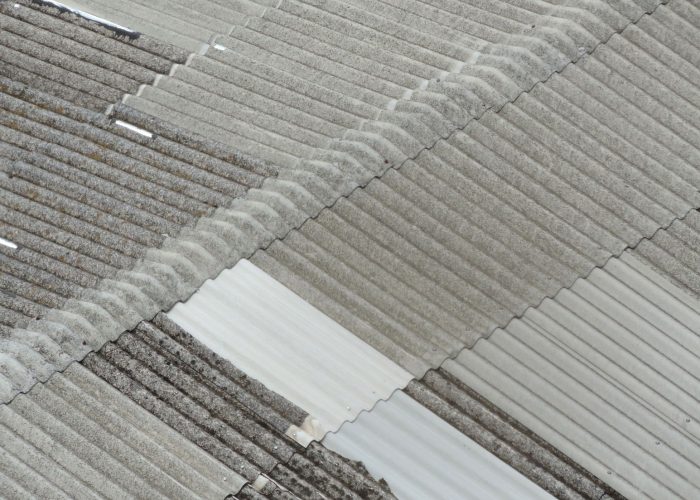
For homes staying put for decades, fiber cement doesn’t rot, resists impact, and holds paint far longer than wood. It costs roughly 40–60% more to install than vinyl because it’s heavier and slower to cut, but for a home with architectural detail worth preserving, it’s often the right call.
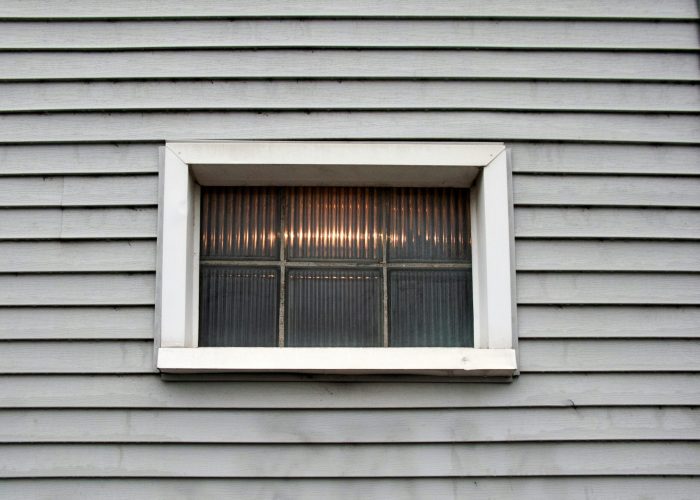
Engineered wood splits the difference — closer to a natural wood look with less maintenance than real cedar, though it needs repainting every 7–10 years. A strong middle option for homeowners who want warmth without cedar’s upkeep.
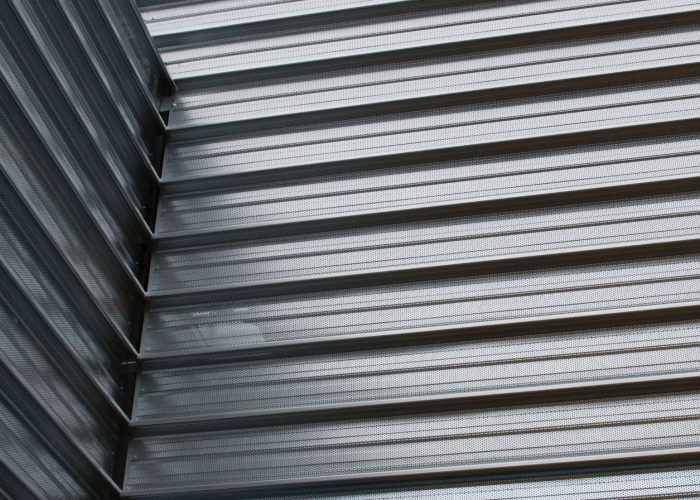
Our aluminum siding installation suits homeowners who want durability and a specific look, and we also repair or replace the older aluminum siding we frequently find layered over original wood on pre-1930s homes.
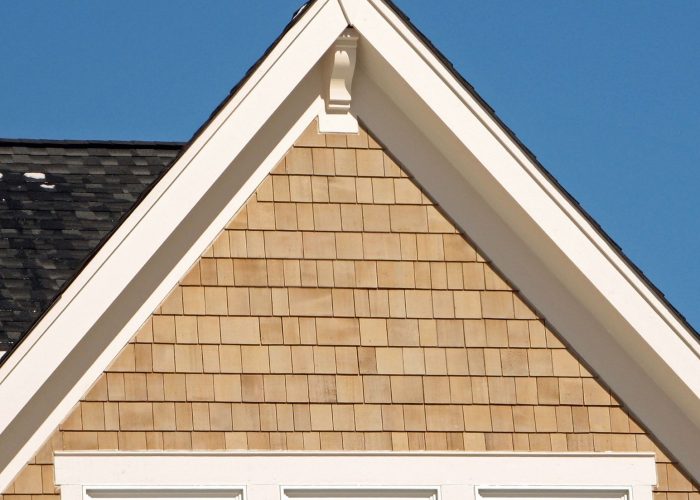
For premium and historic homes, we install cedar shake and shingle siding, board-and-batten, shiplap, and accent materials like stone veneer and brick. Consequently, we match the material to your home’s architecture, not a single stock option.
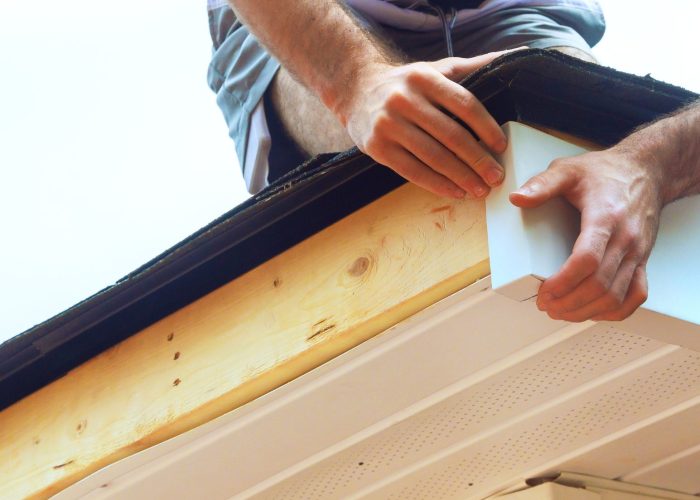
We wrap and cap exposed wood trim, soffit, and fascia in aluminum or matching material as part of the re-side. Because original wood trim left uncapped is exactly where the next round of rot and peeling paint starts, this step protects the investment. Moreover, since the same crew handles gutters and fascia, the trim and gutter line finish cleanly together rather than as two mismatched jobs. As a result, the whole exterior is sealed and finished, not just the wall faces.
Siding installation cost depends mostly on material and home size. Here is a quick summary.
| Siding material | Typical full re-side (two-story home) |
|---|---|
| Vinyl | $9,000 – $18,000 |
| Engineered wood | $12,000 – $22,000 |
| Fiber cement | $16,000 – $28,000 |
| Cedar / specialty | $18,000 – $35,000+ |
A few factors move the cost of siding installation beyond material. First, rotted sheathing underneath adds $1,500–$4,000 to replace. Next, original wood trim, soffit, and fascia that need capping add labor. Finally, older homes with two layers of old siding to tear off add disposal cost. Rather than quote from a photo, we open the wall, see what’s there, and itemize it in writing.
Your home and our crew stay protected throughouty.
We replace rotted sheathing and install proper house wrap and flashing, not just new panels over old problems.
We install vinyl the way it's meant to go, so it never buckles in Ohio heat.
Our workmanship is covered for life.
Because we handle gutters and fascia too, the trim and soffit work is coordinated, not subcontracted.
We pull the required municipal permit as part of every quote, never skip it.
We install siding throughout Cincinnati, Norwood, Oakley, Pleasant Ridge, Hyde Park, Loveland, and Milford, plus the surrounding Hamilton and Clermont County communities. Because so much area housing predates 1930, our behind-the-wall experience with old sheathing and layered siding matters more here than in newer subdivisions.
A full re-side runs about $9,000–$18,000 for vinyl or $16,000–$28,000 for fiber cement on a typical two-story home, with engineered wood and cedar in between and above. Rotted sheathing, trim work, and two-layer tear-offs add to either number. You get an itemized written quote after a free inspection.
Vinyl with an insulated backer is the practical choice for most homes and handles freeze-thaw well when installed with correct expansion gaps. Fiber cement costs more but doesn’t rot or crack under impact, making it the better long-term pick for homes staying put 20-plus years.
It depends on your timeline and home. Vinyl is the smarter financial call for a tighter budget or a shorter stay. Fiber cement is worth the extra 40–60% if you’re staying long-term or your home has architectural detail worth preserving with a material that holds paint and resists impact.
Most re-sides take 3–5 days of active installation once the crew is on-site, plus 1–3 weeks for the municipality to issue the permit. Older homes with two layers to remove or narrow lots for staging can add time.
Yes, modestly but meaningfully. Insulated siding closes air gaps at the wall’s exterior face and reduces drafts, especially on older, leakier walls. Paired with proper house wrap and flashing, it noticeably improves comfort, though it’s not a substitute for attic or wall-cavity insulation.
Yes. We install all major siding lines and, on shared-wall duplexes or partial re-sides, use manufacturer color-match samples to match your existing siding as closely as possible before ordering material.
New siding does two jobs at once: it seals the wall against Ohio’s weather and refreshes your home’s entire exterior. The difference between siding that lasts decades and siding that fails early is almost never the material — it’s the house wrap, the flashing, and the crew behind it. We get that part right and back it for life.
Call (513) 773-1567 for a free siding estimate, or send your details online and we’ll schedule a site visit.