





Empire Home Solutions builds decks, roofs, basements, gutters, siding, and concrete projects for homeowners across Cincinnati’s neighborhoods. Here’s the local detail that catches many homeowners off guard: if your property sits in one of the city’s designated historic districts, exterior work needs a Certificate of Appropriateness from the Historic Conservation Office — a separate approval from your building permit, and required even for projects that would otherwise be permit-exempt. So on every Cincinnati project, checking historic-district status is our first step, not an afterthought. Because a COA requirement discovered mid-project means redesigning already-planned work, we confirm it upfront. As a result, your project moves forward cleanly and carries our lifetime craftsmanship warranty.
By Chris Kestel, Founder & Owner · Last Updated August 2026
A+ BBB Accredited · Historic-District Experienced · Lifetime Craftsmanship Warranty
Cincinnati’s neighborhoods each bring their own conditions. Here’s when to call.
Recognize any of these? We handle both the construction and the neighborhood-specific approvals behind it.
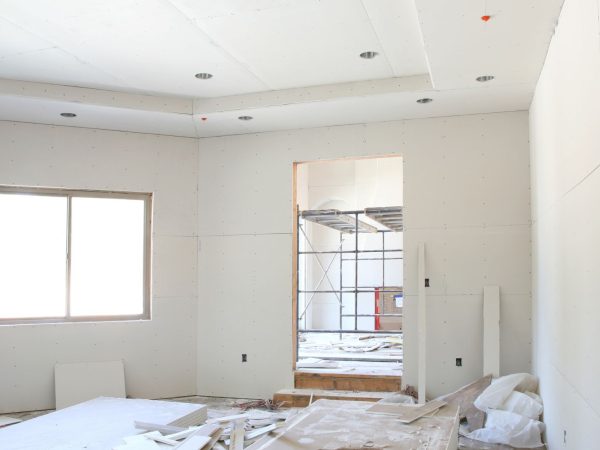

We plan every Cincinnati project around historic-district status and terrain. Here is how it runs.
1. Historic District & Site Assessment
First, we confirm whether your property is within a designated local historic district or landmark before finalizing any exterior design.
2. Certificate of Appropriateness (If Applicable)
Next, for historic-district properties, we prepare the COA application alongside the standard building permit, since both are required for most exterior work.
3. Building Permit Submittal
Then we handle submittal through the City of Cincinnati’s Department of Buildings and Inspections, using the dedicated Walk-Through review available for smaller residential projects like decks, fences, and roofing.
4. Fixed-Price Quote
After that, you get one number, in writing, before construction begins.
5. Construction & Inspections
Finally, we build to code and schedule inspections through the City as your specific project requires.
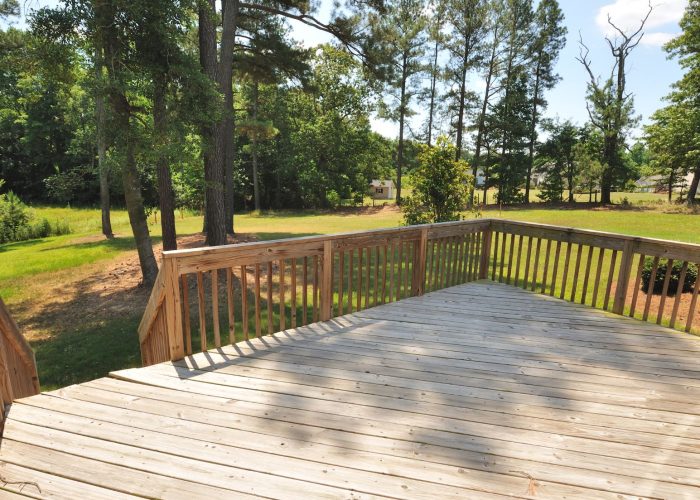
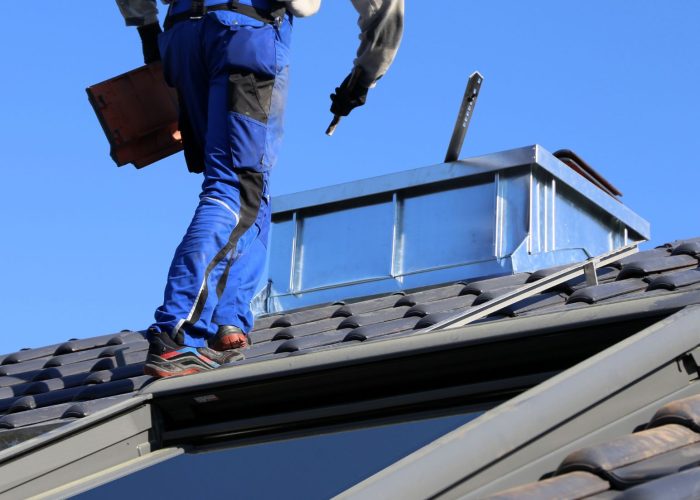
Cincinnati’s older housing stock, especially in historic neighborhoods, often needs roofing material and style choices that satisfy Historic Conservation Office guidelines, not just standard permit requirements.
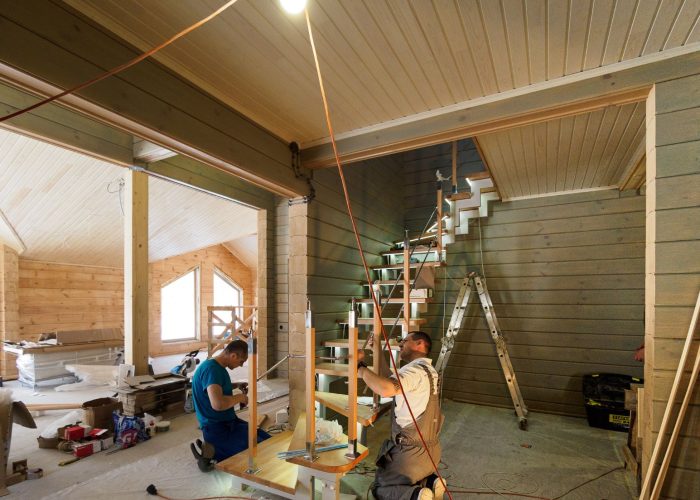
Cincinnati’s older urban homes frequently have basement conditions — stone foundations, different moisture patterns, older mechanical layouts — that differ meaningfully from newer suburban construction. We finish and waterproof each on its own assessment.
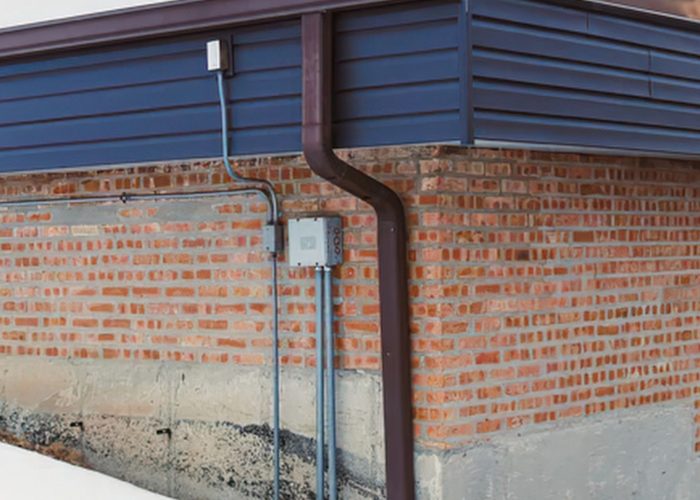
Exterior work in historic districts requires COA review, which weighs siding material and color against neighborhood conservation guidelines. We also handle seamless gutters for the city’s heavy tree canopy.
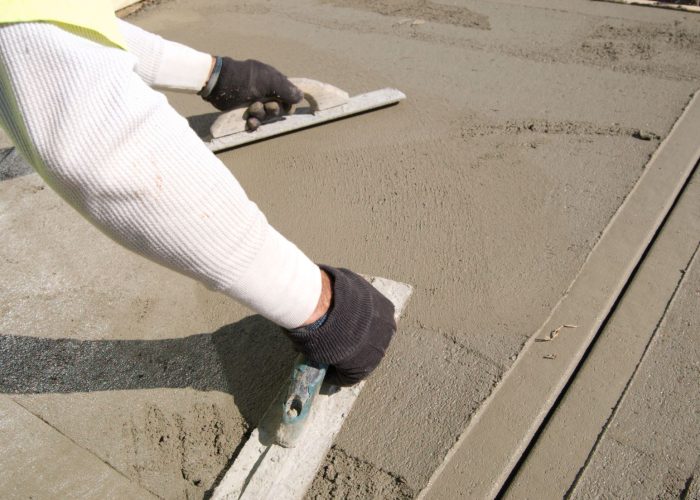
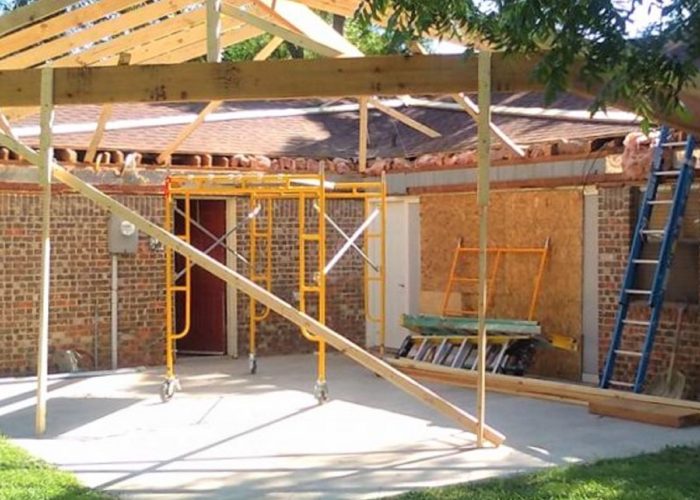
For homes needing more space, we build additions and manage full remodels as your single general contractor coordinating COA and permit review from the design stage.
Flat lot or steep hillside, your Cincinnati project is covered the same way.
For historic properties, we select materials that pass COA review and still perform against Ohio weather.
We confirm COA requirements before finalizing design, a detail that catches homeowners off guard when a contractor doesn't check upfront.
Every Cincinnati project carries the same lifetime coverage, whatever the neighborhood or designation.
We design around real grade change and older urban structural conditions, not a flat suburban template.
We know Cincinnati requires a COA for exterior work on historic and landmark properties, even when otherwise permit-exempt.

We serve Cincinnati neighborhoods including Hyde Park, Oakley, Clifton, Mt. Adams, and Price Hill, along with the broader Hamilton County area and nearby communities like Norwood, Loveland, and Milford. Because we work across the city’s varied neighborhoods regularly, we’re responsive for both new projects and warranty support. full service area.
If your property is a designated Local Landmark or within a Local Historic District, yes. A Certificate of Appropriateness from the Historic Conservation Office is required for most exterior work, demolition, and new construction — and it’s required even when the work itself would otherwise be exempt from a standard building permit.
The City’s Historic Conservation Office can confirm this, and it’s a standard part of our site assessment before we finalize any exterior design for a Cincinnati project.
Yes. The City offers a dedicated Walk-Through review service for smaller residential alterations including decks, retaining walls, fences, and roofing, plus a same-day Tier 1 plan review option for certain permit types.
Neighborhoods like Price Hill, Mt. Adams, and parts of Clifton sit on genuinely steep terrain, which often calls for multi-level deck designs, additional grading, and more careful foundation planning than a flat suburban lot requires.
Decks and patios, roofing, basement finishing and waterproofing, gutters and siding, and concrete, plus additions and remodels. As a general contractor, we can manage larger multi-trade Cincinnati projects end to end.
Yes. We’re fully insured and bonded, hold an A+ BBB rating, and handle both the COA and building-permit process for Cincinnati projects.
Certificate of Appropriateness requirement discovered mid-project means redesigning work that’s already been planned. We check historic-district status as the very first step on every Cincinnati project, so nothing gets built twice.
Call (513) 773-1567 for a Cincinnati project consultation, or send your details online and we’ll schedule a site visit.
Save 10% off, up to $1,000, when you sign on your first visit.