
Concrete Patio Installation: Your Ultimate Guide to Perfection

Planning an outdoor upgrade? Then concrete patio installation is probably at the top of your list. Strong. Versatile. Affordable. It’s the go-to choice for homeowners who want a backyard that’s both practical and beautiful.

But here’s the catch. It’s not just pouring a slab and hoping it looks good. Nope. It takes planning, prep, and a few pro tricks to make it last more than a season or two.

Most homeowners? They skip the details. Bad slope. Weak mix. No reinforcement. And then a year later, cracks everywhere. That’s the nightmare we’re avoiding.

That’s why many people bring in experts like Empire Home Solutions. We’ve seen every mistake in the book. And fixed them too. Which means when you work with pros, you don’t just get a patio. You get peace of mind.

In this guide, I’ll walk you through the real steps of a successful concrete patio installation. From design to curing. Plus, I’ll show you when it’s smarter to hire concrete pouring services or a seasoned concrete foundation contractor instead of going DIY. Let’s dig in.

Key Takeaways

  • Site prep makes or breaks your patio. Don’t skimp.

  • Reinforcement = fewer cracks. Period.

  • Costs shift based on size, soil, and finishes.

  • Common mistakes (like no slope) kill patios fast.

  • Sometimes DIY works. But often, hiring a pro is smarter.
concrete pouring services

Planning & Design: Where It All Begins

Every good patio starts with a plan. Not the “draw a rectangle and pour” kind. Real planning.

Layout & Purpose

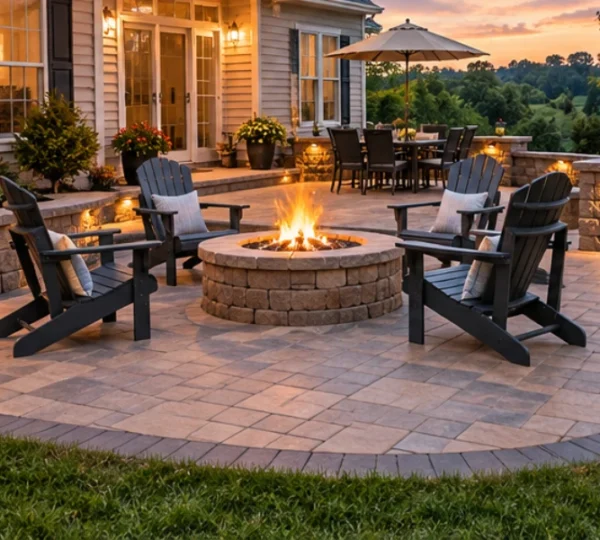
Is this patio just for a grill? Or are you building an outdoor living room with a fire pit and big furniture? Bigger uses mean thicker slabs. And possibly more reinforcement.

Drainage = Lifespan

Water ruins concrete. It cracks. It shifts. It erodes the base. Always slope the patio about 2% away from your home. Trust me, skipping this step costs way more later.

Soil Conditions

Clay soil swells. Sandy soil drains. Rocky soil needs leveling. That’s why testing and compacting the subgrade is huge. A shaky base = a shaky patio.

Thickness & Rebar

4 inches is standard. But heavy loads (like hot tubs)? Go 5 or 6 inches. Add rebar or wire mesh. It’s not optional if you want a slab that lasts.

The Step-By-Step Process

This isn’t guesswork. Here’s how pros actually do concrete patio installation.

Step 1: Dig & Prep the Base

  • Excavate the area. Remove grass and roots.

  • Go deep enough: slab + gravel base (7–8 inches total).

  • Compact 3–4 inches of crushed rock. Solid base = fewer problems.

Step 2: Build the Forms

  • Strong wooden forms around the edge.

  • Braced. Staked. Double-checked for slope.

  • Use strings to keep everything level.

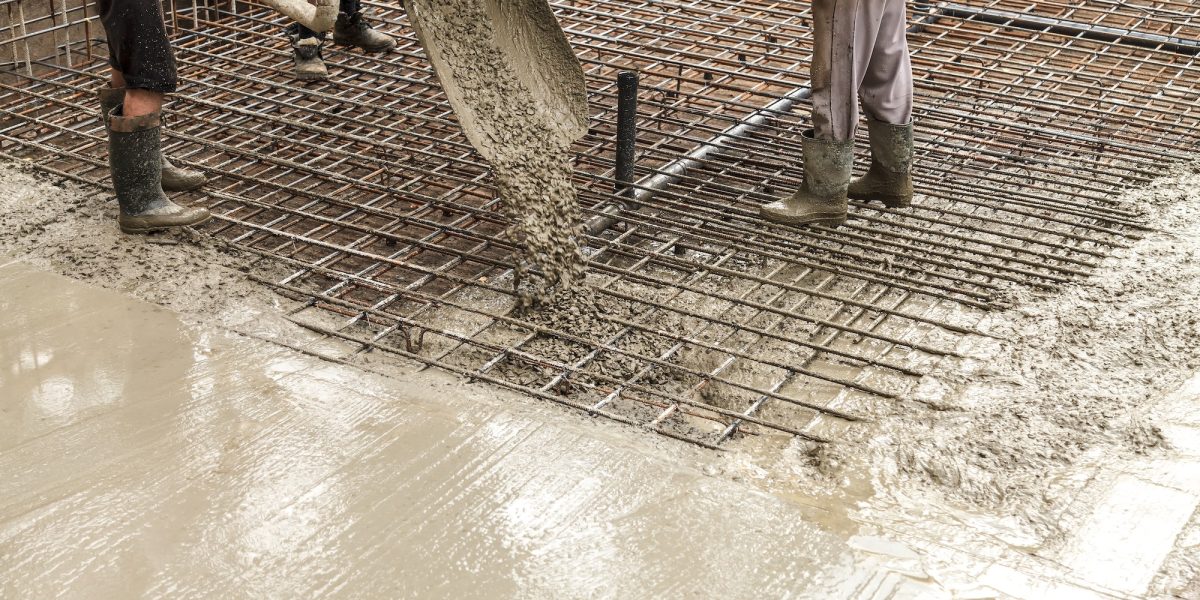
Step 3: Reinforce It

  • Wire mesh or rebar grid.

  • Raised off the ground with chairs.

  • Never let steel touch soil.

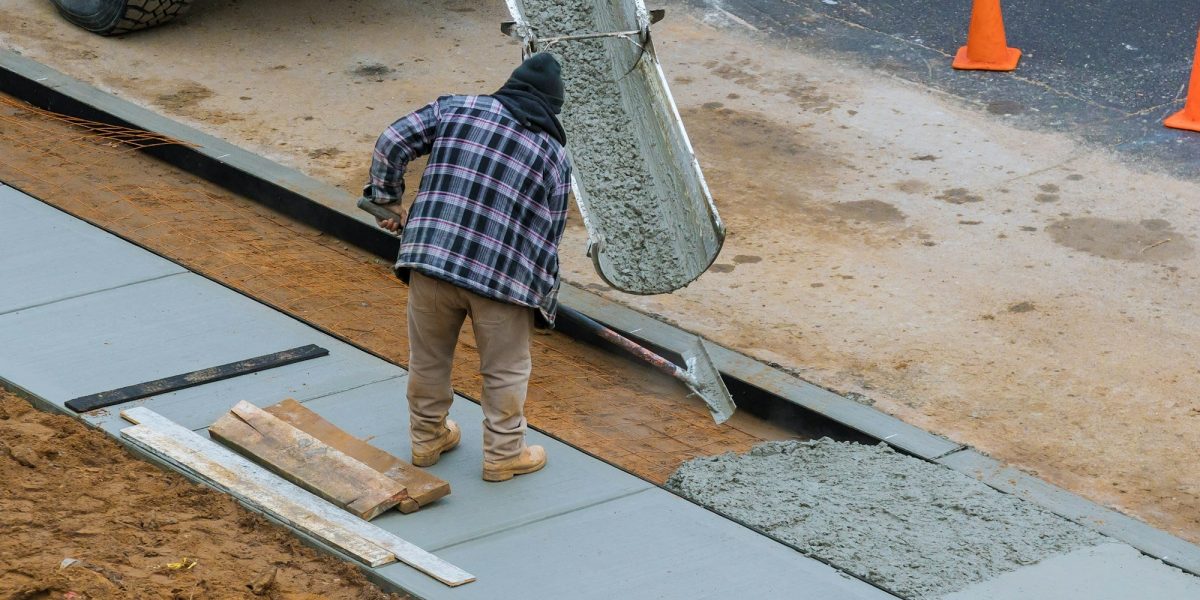
Step 4: Pour the Concrete

  • Order the right mix: 3,500–4,000 psi.

  • Pour in one go. No breaks. No cold joints.

  • Spread with a come-along. Not a shovel (that pulls rocks).

Step 5: Level & Smooth

  • Screed across the forms.

  • Float the surface.

  • Edge it clean.

Step 6: Joints & Finish

  • Control joints every 8–12 feet. They control cracks.

  • Choose your finish: broom (slip-resistant), trowel (smooth), or stamped (fancy).

Step 7: Cure & Seal

  • Keep it moist for 7 days.

  • No walking for 2–3 days. No heavy load for a week.

  • Seal it after a month. Re-seal every couple of years.

Frequently Asked Questions:

The Real Costs

So, what’s the price tag? On average: $6–$12 per sq. ft. That’s the base. Stamping or staining? You’re looking at $15–$20 per sq. ft.

What makes the cost rise?

  • Bigger patios (obviously).

  • More site prep (tree removal, slope fixes).

  • Thicker slabs with rebar.

  • Decorative finishes.

Pro tip: Always ask for a detailed breakdown. Materials, labor, and extras should be separate. If it’s one vague number, red flag.


The Good and The Not-So-Good

Why Patios Rock

  • Durable and long-lasting.

  • Easy to maintain.

  • Custom designs with colors or patterns.

  • Cheaper than stone or brick.

The Downsides

  • Can crack if rushed or poorly built.

  • Cold climates? Freeze-thaw cycles are rough.

  • Harder to repair than pavers.

  • DIY-friendly? Not really.


DIY vs. Pro Installation

Small patio? Maybe DIY. Large or decorative? Don’t risk it.

Concrete pouring services bring mixers, crews, and tools you don’t have. A concrete foundation contractor also knows soil, codes, and structural demands. That’s huge.

Here’s the deal:

  • DIY saves money upfront.

  • But if it cracks or sinks, you’ll pay double fixing it.

  • Hiring pros = warranty + experience + speed.
concrete pouring services

Mistakes People Make

  • Skipping the gravel base. Patio sinks.

  • No slope. Water pools.

  • Wrong mix. Concrete flakes.

  • No joints. Random cracks everywhere.

  • Bad curing. Weak slab from day one.

Avoid those, and you’re golden.


Conclusion

A strong concrete patio installation is more than concrete. It’s design. Prep. Reinforcement. Curing. It’s a system. Do it right, and you’ll enjoy it for decades. Do it wrong, and you’ll regret it in a year.

When it comes down to it, sometimes hiring pros just makes sense. Calling in concrete pouring services or a reliable concrete foundation contractor can save money long-term — and your sanity too.


Call to Action

Want it done right the first time? Reach out to Empire Home Solutions today for a free consultation. We’ll design and install a patio that’s tough, stylish, and built to last. Your backyard deserves it.

Editor's Pick