


Deck installation: The Full Guide You Didn’t Get Elsewhere

Deck installation can feel overwhelming. You dig, you sweat, you hope it holds. It doesn’t have to be chaotic.


In this guide, I walk you through Deck installation from start to finish — with real insights, warnings, and pro tricks. You’ll avoid the “oops, I messed up” moments.


You’ll learn what permits matter, how to choose materials, how to frame properly, and how to keep the deck solid for decades. And yes — Empire Home Solutions is here as your behind-the-scenes ally. We’ve seen what fails. We’ve fixed what breaks. We know how to do it right.

Keep reading. You’ll get more than just a checklist — you’ll get wisdom.

Key Takeaways

  • You’ll understand how to plan and permit before a shovel hits ground

  • You’ll know how to build a frame that resists sagging, rot, shifting

  • You’ll see tricks for board layout, flashing, and hidden fasteners

  • You’ll get maintenance habits that extend deck life

  • You’ll sidestep the mistakes even pros sometimes make
composite deck builder

Planning & Permits: Your Deck’s Foundation

You cannot skip this. Not if you want it to last.

Good Deck installation starts with precise planning. Before wood, before nails — you plan.

You ask: “Do I need a permit?” Probably. Local jurisdictions often require permits for decks above certain height or attached to a house. Inspectors look at footings, ledger connections, guardrails. If you skip that? You risk demolition orders, liability, unsafe structure.

Choosing the layout & orientation

Where will sunlight hit? Where does water run? Does your yard slope?
Mark where stairs, planters, benches will go. Don’t treat those as afterthoughts.
Decide: ledger-tied or free-standing? Ledger is common, but demands flawless flashing and attachment. Free-standing avoids water intrusion into the house.

Soil, drainage, and load capacity

Your soil may shift. You need footings below frost line (if you’re in cold climates).
Footings must rest solidly on undisturbed soil or compacted gravel.
Water drains away from the house. No puddles under decking.

Permit process and inspections

Submit your design. Include foundation depth, beam spacing, ledger detail.
Expect multiple inspections: footing, framing, final.
Sometimes they reject because flashing wasn’t detailed, or joist spacing is off.

Building the Substructure: Footings, Beams, Joists

This is where many decks fail. Get this wrong, and nothing else matters.

Footings & posts

Dig deep. Below frost line. Use concrete piers. Never set wood in direct soil. Use post anchors.
Posts: often 6×6. Larger when span or load demands.
Add bracing to resist side forces.

Ledger, flashing, and connection

If tying to house, the ledger is crucial. Lag bolts, structural fasteners only.
Wrong: nails, short screws.
Flashing above ledger is non-negotiable. Without it, water will rot the house or joist over time.

If ledger is not feasible, do a floating beam approach. Or a deck detached from the house. Less risk of water damage.

Joists & beams

Span tables are your friend. Don’t guess.
Use joist hangers, proper hardware, all rated for exterior use.
Spacing (12″, 16″, 24″) depends on decking, load, cantilevers.
Double or triple beams when span demands.
Check for twist, crown, bow. Use levels, string lines.

Tips many guides omit

  • Mark where your floor boards will land before framing. So you know where your screws will go.

  • Consider putting a bit of slope (¼” per foot) away from house even under decking, so water doesn’t collect.

  • Use joist tape (corrosion resistant) over joist tops and ledger to reduce wood swelling & moisture damage.

Frequently Asked Questions:

Deck Board Installation & Details

Now it looks like a deck. But many mess it up here.

Material choices: wood vs composite vs PVC

  • Wood (cedar, redwood, pressure-treated): lower cost, natural beauty, but needs care.

  • Composite / PVC: higher cost, low maintenance, resistant to rot and insects.

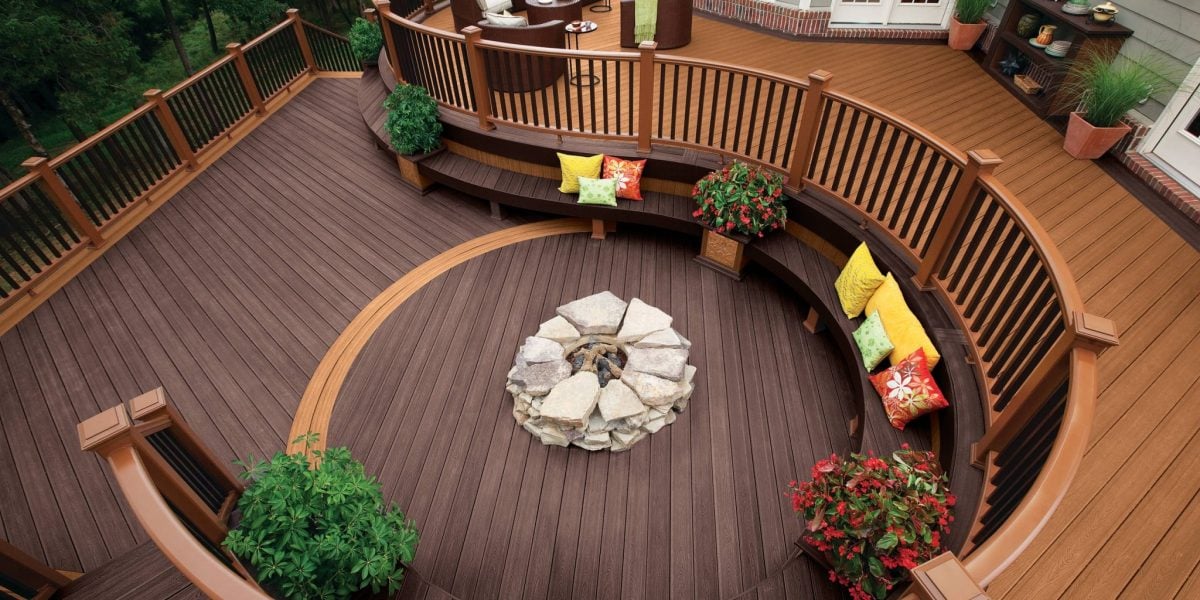
  • With composite, hidden fasteners are more feasible. Many systems offer clip screws, etc. TimberTech is a brand that pushes composite installation best practices.

Layout & spacing

Spacing is critical. Boards expand, contract.
Wood often needs ~¼” gap. Composite might demand more consistent spacing depending on manufacturer.
Stagger joints. Don’t line all ends in a row.
Pre-drill ends. Screws or fasteners should be corrosion resistant.
Use spacers. Be consistent.

Fasteners & hidden systems

Face screws are simplest and reliable. But visible.
Hidden fastening systems give cleaner look. But only use systems approved for your decking material. Make sure screws are countersunk just a bit. They shouldn’t stick up.

Railing, stairs, safety

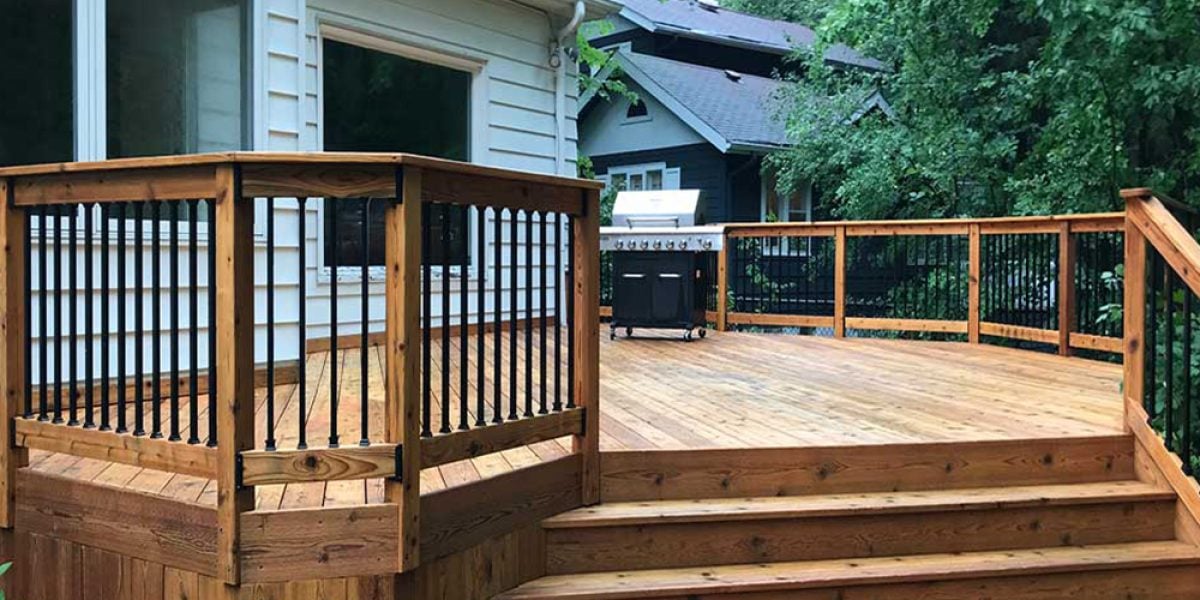
If deck height > ~30″, you’ll need railing by code. Usually 36″ minimum height, baluster spacing <4″. Stairs: consistent riser height, tread depth ~10″ or more.
Landings: at least 36×36 or matching the stair width.
Secure posts well, flash post bases to prevent water entry.

Edge finishing & trim

Use fascia boards, trim boards, decorative trim.
Seal cut ends immediately. Prevent water seeping into end grain.
Pay attention to transitions, especially where deck meets house or steps or landscaping below.


Maintenance & Lifespan Strategies

You can build it well. Then ruin it by neglect.

Seasonal checks

Do one full inspection every spring/fall.
Tighten loose screws. Replace warped or cracked boards.
Check railings for wobble.

Cleaning & sealing

Wood decks: power-wash gently (never too much pressure). Use soft wash.
Re-stain or seal every 2–5 years depending on exposure.
Composite: clean with mild soap; avoid harsh bleach mixes that damage composite cap.

Ventilation & drainage

Ensure water doesn’t stay under deck.
Gaps, spacing, airflow are key.
Slope away from house.
Keep debris off deck. Leaves, dirt trap moisture.

Avoiding rot, decay, insects

Don’t allow shrubs or plants to touch deck.
Keep ground clearance below boards.
Use rot-resistant lumber / pressure-treated / quality composites.
Fix any flashing failures fast — that’s often the culprit in decay.

Repair strategies

Replace failing boards individually. If joist or beam is damaged, replace the member rather than patching half measures. Monitor settling or movement. Use shims or re-level where possible.

deck installation

Pro Insights & Advanced Tips

  • Order 10% to 15% extra material. You will miscut, warp, and break some.

  • Label all boards before install — “A”, “B”, “C”. Speeds up work.

  • Use a laser level or string line to keep your surface flat.

  • With composite, install on warmer days so expansion spacing works best.

  • Mark frame support lines under decking so you know where to screw.

  • For decks that wrap or have multiple levels, plan transitions carefully — the worst visual flub is mismatched deck height.

  • Use color-matched screws. Some brands sell matching fasteners so your hardware blends.

  • Near board ends or edges, avoid splitting — pre-drill or use pilots.


Conclusion

Deck installation isn’t rocket science. But it is precision science. One slip, one wrong fastener, poor flashing and years later you’ll deal with sag, rot, or collapse. If you follow smart planning, permitted foundations, frame like a pro, lay boards correctly, and maintain regularly — you’ll have a deck that outlasts many. You’re now armed with both depth and actionable tips — stuff many guides gloss over.

CTA

Ready to get your deck built right — from foundation to finishing? Contact Empire Home Solutions today for a free consultation. Let’s make your outdoor space last and shine.

Editor's Pick