Everything You Need to Know About Deck Installation Services — From Planning to Perfection

Thinking of adding a deck? You’re in the right place. Deck installation services are more than just building a wood platform. They’re about expanding your living space, enjoying summer evenings, getting value for your home.

At Empire Home Solutions, we’re masters of this craft. Years of doing this. Weather, codes, materials—we understand them all. We treat your deck project like it’s ours. Because — honestly — it is.

In this article you’ll learn: how to choose the right materials; what to ask of contractors; costs and pitfalls to avoid; plus maintenance so your deck still looks great in 10, 15 years. We go deeper than most competitor guides. Real depth. Real insight.

custom decks

Key Takeaways

  • You’ll know what makes good deck installation services truly great — not just “good enough.”

  • How to pick materials and designs that match your lifestyle and budget.

  • Steps to ensure your contractor follows codes, avoids costly mistakes.

  • Estimate of real costs + value-boosting tips.

  • Maintenance and care habits that preserve beauty and safety.

What Are Deck Installation Services?

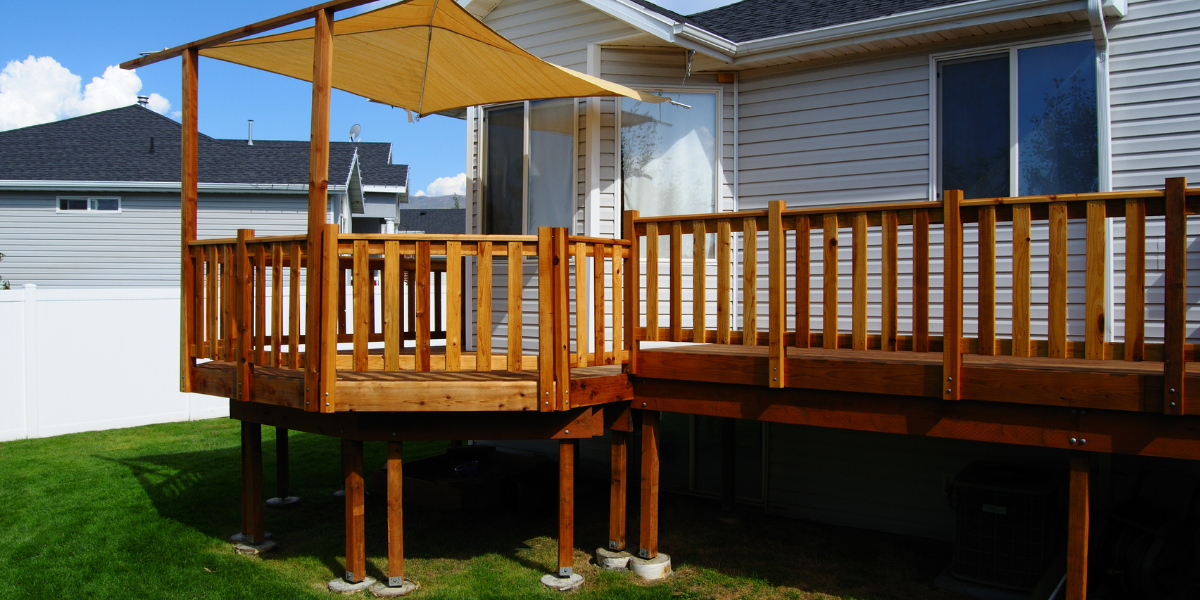
Let’s define. Deck installation services cover all parts of building your deck—from frame up. That means: planning, site assessments, permitting, materials, structural supports, boards, railings, finishing, safety features, cleanup.

These aren’t simple DIY weekend jobs (unless you’re very experienced). The right team (like Empire Home Solutions) handles details you probably haven’t thought about. Soil drainage. Joist spacing. Ledger flashing. Local building permit requirements.

Why It Matters

  • Safety. A poorly supported deck, wrong fasteners, or misunderstood rainfall can lead to rot, collapse, or damage.

  • Longevity. Material choice + installation quality = deck lasts decades, or it fails in a few years.

  • Cost efficiency. Doing it right first saves money long term. Less maintenance. Less repair.

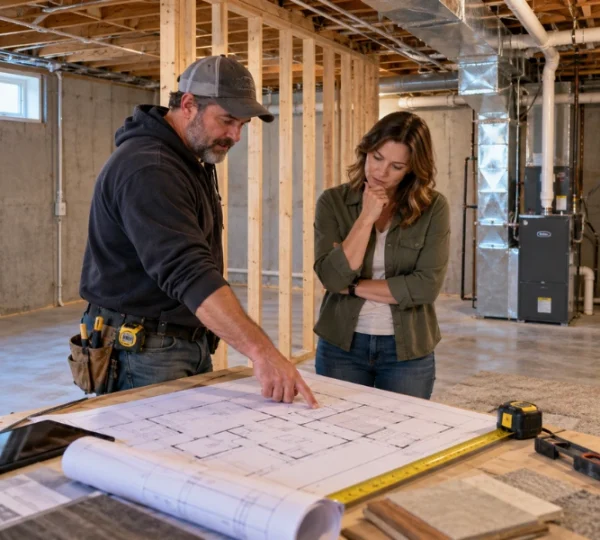
Planning & Design — Where Good Decks Begin

You ever seen a deck that’s lovely, but awkward? Too steep stairs, weird space usage, weird layout? That often comes from poor planning.

Understanding Your Needs

Ask: What do you want your deck for?

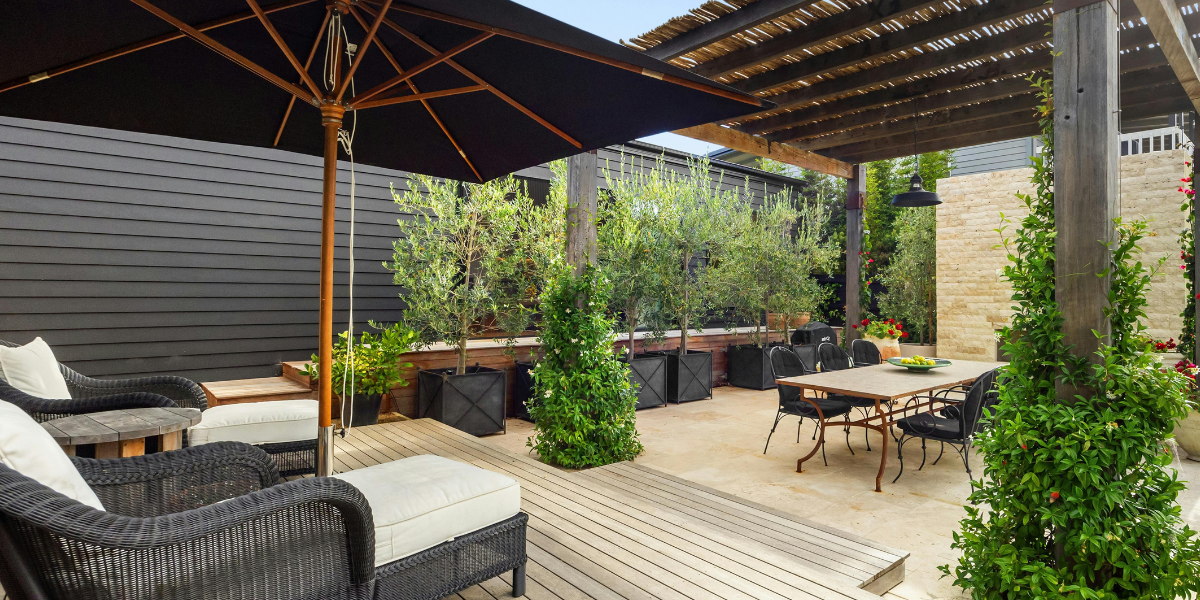
  • Entertaining large groups? Then you need more usable flat area, sturdy flooring, maybe built-in seating or lighting.

  • Quiet mornings with coffee? Smaller space works, but maybe you want shade, privacy.

  • BBQs, outdoor kitchen? Need to plan for gas lines, countertops, durability near heat/smoke.

Site Conditions & Permits

Don’t skip this.

  • Assess soil type, slope, drainage. Water pooling is a killer.

  • Sun exposure and shade. Sun may be great, but UV kills some materials fast.

  • Local building codes & permits. Railing height, stair specs, maximum deck height. If you don’t follow, risk fines, compounding work, or failure to pass inspection.

Bay Area General Contractors Inc. helps clients navigate permit process. We know what our county wants. We prevent delays.

Design & Layout Considerations

  • Shape & size: Rectangles are easiest; custom shapes harder but can look amazing.

  • Access points: Where do you walk out from? Where are stairs? How do you flow from house to yard?

  • Railing types & lighting: Railing is safety, but also style. Lighting extends usability into evening well.

Frequently Asked Questions:

Picking Materials & Structural Elements

Materials make or break your deck. And not just boards. The structure underneath matters more than most people realize.

Deck Board Material Choices

You’ll have options:

  • Natural wood (pressure treated, cedar, redwood, tropical hardwoods)

  • Composite decking (wood/plastic blends)

  • PVC or capped composite boards

Each has pros & cons. Wood looks classic, is usually cheaper up front, but needs maintenance (staining, sealing). Composite or PVC costs more initially, but resist rot, insects, often last longer with less upkeep.

Structural Components

  • Joists, beams, posts: must be sized right. Spacing matters. Wrong spacing gives bounce, sag, safety issues.

  • Footings & foundations: must be deep enough (below frost line if relevant), stable, well anchored.

  • Ledger board and flashing: where deck attaches to house. Leaks here are common issue. Proper sealing/flashing prevents water damage.

Fasteners & Hardware

Don’t cheap out here. Stainless steel or coated screws, bolts—rust ruins looks, strength, safety. Hidden fasteners can look cleaner, but they must be properly installed.


The Installation Process — Getting It Right

Most people remember seeing the deck boards, stairs, railings. But what happens beforehand matters a lot.

Site Preparation

  • Remove vegetation. Level ground if needed. Slope away from house for drainage.

  • Mark footings and layout.

  • Set proper footings. Dig to depth code dictates. Concrete piers or footings set, cured.

Framing & Substructure

  • Install posts/beams. Ensure vertical posts are plumb. Beams level.

  • Joists sized and spaced. Blocking or cross-bracing for stability.

  • Ledger board to house (or beam for free-standing decks) properly flashed.

Decking Boards & Railing

  • Install boards with proper spacing for expansion/contraction.

  • Use recommended fastening method. Maybe face screws, maybe hidden clips. Follow manufacturer guidance.

  • Railing must meet local height & load requirements. Safety glass, cable, wood, metal options.

Finishing Touches

  • Trim edges. Add finishing fascias. Clean up cut ends. Seal or stain if needed.

  • Install lighting, post caps, access stairs safely.


Cost, Budgeting & Value

Let’s talk dollars. Don’t let budget surprises ruin the build.

  • Costs influenced by size, material, complexity of design, features (lighting, built-in benches, stairs).

  • Natural wood often cheaper upfront; composite more expensive but lower maintenance cost over years.

  • Hidden fasteners/high-end railings cost more.

Empire Home Solutions gives detailed estimates—breakdown of materials, labor, anticipated extras. We believe in transparency.

Value comes from:

  • Durability (less maintenance, fewer repairs)

  • Style (makes home more attractive, increases resale)

  • Safety (done to code, less liability)
custom decks

Common Mistakes & How to Avoid Them

We see these all the time. Avoid them.

  • Skipping permits or not following code → leads to rework or fines.

  • Poor footing depth → frost/heave damage.

  • Improper ledger flashing → leaks into your home.

  • Cheap fasteners → rust, wood splitting.

  • Boards installed too tightly or too loosely → warping or separation.

  • Ignoring maintenance → decks degrade far faster than they should.


Long-Term Maintenance & Care

A deck isn’t done once built. It needs care.

  • Clean annually. Sweep debris. Wash away mildew/surface mold. Use a gentle cleaner.

  • Re-seal or stain every few years depending on material. UV exposure degrades finishes.

  • Inspect fasteners, railings, stairs. Tighten or replace as needed.

  • Check for water pooling or drainage issues. Fix slope or ground settling.


Conclusion

Building a deck can be one of the most rewarding home upgrades. But only if it’s done right. With good deck installation services, you don’t just get boards and rails—you get safety, design, durability, and value. The details matter: materials, structure, permits, finishing, upkeep.

We hope this guide gives you clarity. Helps avoid surprises. Helps you plan with confidence.


Call To Action

Ready to build a deck you’ll love coming home to? Reach out to Empire Home Solutions for honest estimates, expert design ideas, and deck installation services you can trust. Contact us today for your free consultation—and let’s get your outdoor dreams underway.

Editor's Pick