
When you think “custom home additions,” what comes to mind? A room that fits you — not just a cookie-cutter box. That’s exactly what custom additions aim to deliver.
You don’t want something slapped on. You want functional, beautiful, future-proof space. You want it done right.
At Empire Home Solutions, we’ve helped many families turn cramped living into thoughtful expansions. We’ve lived through the permit pain, contractor mixups, and surprise costs — so you don’t have to.
In this guide, you’ll get real, usable insight:
Let’s roll up our sleeves and get started.
When some guides say “addition,” they just mean expanding a room. But custom home additions go deeper. They’re tailored — down to layout, structural choices, finishes — to your lifestyle, site, and home architecture.
You might ask: why not just move? Here’s why many stay:
But it only works if done well. A cheap, weirdly integrated addition can hurt the look — or worse, hurt resale.
Custom additions let a home evolve. They let your home grow with you.
Here are some formats you’ll often see:
Each has pros, cons, structural demands, and cost implications. (For reference, many bump-outs run cheaper per square foot than full second stories.)
This is where most projects stall. But it’s also where smart planning saves you massive headache.
Ask:
These answers steer design direction.
Your addition should feel like it was always there:
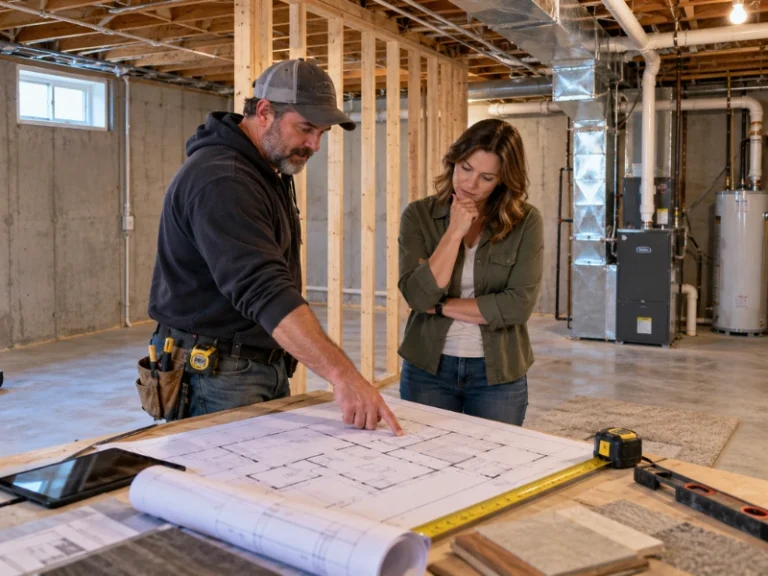
An architect or designer is often your first ally. Their sketches help you see trade-offs before construction starts.
A custom addition may require:
Getting engineering input early helps avoid “oh crap” moments mid-build.
Don’t skip this. It’s not just red tape — it protects you.
A seasoned Home additions contractor often handles much of this. But you must stay in the loop.
Sometimes you’ll need variances (if your design breaks setbacks or lot rules). That process can take weeks or months.
Money makes or breaks projects. Transparency is everything.
Major levers include:
A rough rule: many custom additions fall in the $200–$400+ per square foot range, depending on complexity.
Fix your scope before you start. Change orders kill budgets.
Knowing what’s ahead gives you confidence. Also helps you stay patient — projects rarely go exactly as planned.
Altogether, a moderate custom addition might take 3 to 6 months (or more, depending).
Mitigation tips:
Your contractor is the most important decision. Wrong choice = stress, cost overruns, poor quality.
You want a contractor you can trust — someone who listens and gives straight answers.
You’re investing. You want payoff — emotionally and financially.
Do this right — your addition becomes a joy, not a burden.
Custom home additions are more than square footage. They’re about possibility. Growth. Tailoring your home to you.
Done poorly — they can feel disjointed or cost more than they’re worth. But done well — they feel seamless, elevate your daily life, and add lasting value.
You’ve learned how to plan, budget, hire, avoid pitfalls, and create value with intention.
Ready to bring your custom addition vision to life? Reach out to Empire Home Solutions today for a free consultation. Let’s talk ideas, constraints, and how your home can become exactly what you need — beautifully, correctly, and built to last.

Deck and Patio Contractors: How to Choose the Right Builders for Your Outdoor Project The right deck and patio contractors do more than show up

Deck and Patio Contractors: How to Choose the Right Builders for Your Outdoor Project The right deck and patio contractors do more than show up

Composite Decking Installation: What Homeowners Should Expect From Start to Finish Composite decking installation costs between $8,000 and $26,000 for most Ohio homes in 2026,