Home Additions Contractor: How to Choose, Plan & Succeed with Your Home Expansion

When you search for a Home additions contractor, what you’re really after is confidence — confidence that this investment in your home will go smoothly, look great, and add real value. In this guide, you’ll learn how to find the right contractor, design your addition smartly, manage costs, avoid pitfalls, and ensure your project becomes a source of pride — not regret.

You love your home. You cherish your neighborhood. But maybe your family is growing, or your lifestyle has changed — and you just don’t want to leave what’s already working. That’s where a home addition comes in. The right Home additions contractor can transform your existing space into the home you’ve always wanted, while preserving character, flow, and structural integrity.

At Empire Home Solutions, we’ve handled dozens of complex home expansions, and we understand better than most what goes into a successful job. (Yes — this is where your business name appears in the intro.) We’ve been in the trenches of permits, structural revisions, and design loops. We also know what homeowners struggle with and how to guide them.

Later in this article, you’ll see how we apply those lessons, and how you can avoid mistakes we’ve encountered firsthand. Let’s dive in — your home’s future awaits.

Key Takeaways

  • How to evaluate and pick a trustworthy Home additions contractor

  • The critical design, permitting, and structural steps in a home expansion

  • Cost drivers and budgeting tactics to stay realistic

  • Common pitfalls and how to avoid them (some you won’t see in competitor articles)

  • Concrete ways to add value (ROI) and future-proof your addition
home improvement contractor

1. Why Hire a Specialist, Not Just Any Remodeler

When it comes to adding new square footage, it’s not the same as painting or kitchen refresh. You need skill in structural design, permitting, load-bearing walls, and code compliance.

General Contractor vs. Home Additions Specialist

A general contractor might be able to oversee your project, but specialists in home additions typically:

  • Handle multiple trades (foundation, framing, HVAC, plumbing, electrical) under one roof, reducing coordination issues

  • Are intimately familiar with local codes & permit workflows (so fewer surprises)

  • Anticipate hidden structural or soil issues earlier (less rework)

According to Angi, hiring a home addition specialist reduces the need for subcontracting and often offers better cost transparency.

What to Look for in Their Portfolio & Reputation

  • Completed home additions (not just remodeling)

  • Before/after photos with tight integration to existing structure

  • Testimonials from clients who had similar additions (second story, bump-outs, in-law suites)

  • References you can call

Don’t skip this step. A shoddy match could cost you tens of thousands.

Frequently Asked Questions:

2. Planning & Design: From Vision to Blueprint

This stage often determines how headache-free your project will be.

Clarify Your Goals (Start Broad)

Ask yourself:

  • What problem am I solving? (Need more living space, extra bedroom, home office, etc.)

  • How many years do I plan to stay?

  • What style / aesthetic matters to me?

  • Are there structural constraints or lot boundaries?

Getting clarity early avoids major changes later.

Types of Home Additions

Here are common formats (you’ll see similar lists in competitor guides)

  • Second-story additions (when lot space is tight)

  • Room additions / bump-outs (e.g. expanding a living room)

  • In-law suites / guest wings

  • Sunrooms / three-season rooms

  • Garage conversions or garage + living above

  • Basement or attic expansions

Each type has pros/cons. For example, second-story is costlier (roof, structural support) but avoids footprint limits.

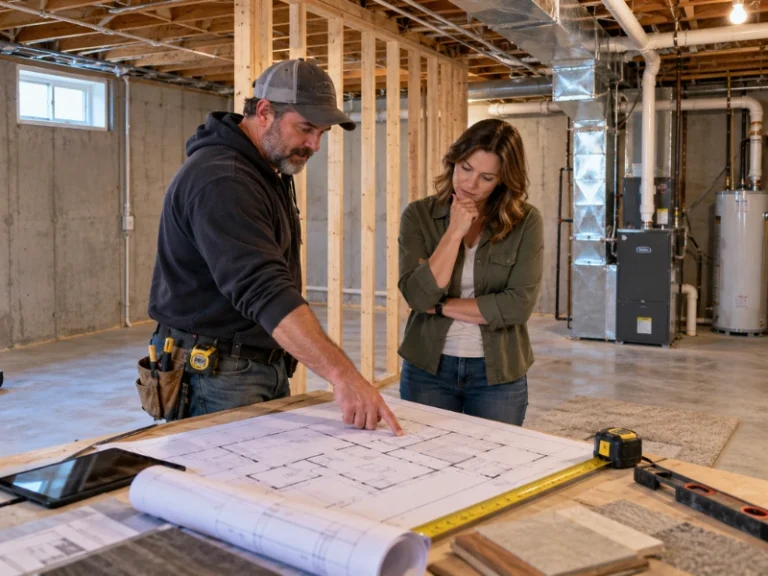
Working with an Architect / Engineer

A competent Home additions contractor typically collaborates with or includes architects / structural engineers. Their early role:

  • Review structural load, foundation, soil conditions

  • Produce permit-ready drawings

  • Help select materials and systems (insulation, windows, HVAC)

Get their input before demolition or site prep.

Integrating the Addition Seamlessly

Design harmony is crucial:

  • Use matching rooflines, eaves, siding, window styles

  • Maintain proper drainage so new roof slopes don’t dump water on existing walls

  • Match or upgrade insulation, materials, finishes

A design that feels tacked on doesn’t add value.


3. Permitting, Zoning & Legal Steps

You must heed local laws. Many competitor articles mention permitting, but often gloss over the messy realities.

Why Permits Matter

  • Building without permit can lead to fines, forced removal, or issues when you sell

  • Insurance won’t cover unpermitted work

  • Permits ensure structural safety and code compliance

Navigating Zoning, Setbacks & Variances

Your lot may have:

  • Minimum setbacks (distance from property edge)

  • Floor-area ratio (maximum allowable built area)

  • Height limits

If your design violates rules, you might need a variance — often involving hearings and time. Ask your contractor how they handle those.

Approval Workflow

  1. Submit architectural plans + structural drawings

  2. Review by city/county building department

  3. Revisions (if needed)

  4. Permit issuance

  5. Inspections at foundation, framing, plumbing, electrical, etc

A seasoned Home additions contractor knows when and how to submit to minimize delays.

remodeling contractor

4. Budgeting & Cost Drivers

Competitor guides mention cost broadly; let’s go deeper.

What Drives Cost

  • Square footage & footprint — more space = more cost

  • Foundation / structural upgrades — especially in second-story or sloping lots

  • Plumbing, HVAC, electrical — moving these is expensive

  • Windows / doors / finishes

  • Site constraints / access / grading

  • Permits, inspections, utility fees

  • Contingency (15–20%) for surprises

In some markets, home additions average $200+ per sq ft or more, especially for complex builds.

How to Estimate & Get Multiple Bids

  • Always get at least 3 separate bids

  • Ask for line-item estimates (foundation, framing, utilities, finishes)

  • Avoid extremely low bids — they often skip important work

  • Lock in a fixed-price contract when possible

Money-Saving Tips

  • Reuse existing materials when sensible

  • Simplify rooflines or shapes

  • Use efficient structural design (I-joists, engineered beams)

  • Buy your own fixtures when allowed

  • Prioritize must-haves vs. nice-to-haves


5. Timeline, Phases & What to Expect

Competitors mention timelines, but often ignore how to keep control when things go off schedule.

Typical Phases & Duration

Here’s a rough breakdown from research:

  • Design + permitting: 2–4 months

  • Site prep, demolition, foundation: 1–3 weeks

  • Framing / roof / structural shell: 2–4 weeks

  • Rough-in (plumbing, electrical, HVAC): 1–2 weeks

  • Inspections + corrections: variable

  • Finishes, trim, systems: 2–4 weeks

  • Final inspections & punch list: 1–2 weeks

So total: 3–6 months is common for moderate additions (assuming no major delays).

Delays & How to Mitigate

  • Material lead times (windows, specialty items)

  • Weather and site conditions

  • Permit revisions or municipal hold-ups

  • Change orders from homeowner

Mitigation strategies:

  • Order long-lead items early

  • Keep communication channels open

  • Freeze design after permit approval (avoid major changes)

  • Have a buffer in schedule

A good contractor’s motto: “Go slow to go fast” — plan thoroughly so execution flows.


6. Avoiding Pitfalls — Learn from Common Mistakes

Many guides list pitfalls; let’s dig deeper with practical preventive steps.

1. Underestimating Hidden Conditions

Old foundations, soil issues, rot, termites — all can surprise you when walls come down.

Prevention:
Have your contractor or engineer do thorough inspections early (core samples, moisture tests).

2. Poor Communication & Scope Creep

You think a change is minor; the contractor sees hours of reworking. That’s scope creep.

Prevention:
Use a clear written contract. All changes require written change orders (cost + delay estimate).

3. Skipping Reviews & Inspections

Letting work proceed without inspection can bury defects (like miswired circuits or inadequate support).

Prevention:
Schedule inspections at each milestone. Don’t let the project rush past key checks.

4. Overcustomizing Without ROI

You might love custom features, but if they don’t add resale appeal or durability, it’s overkill.

Prevention:
Balance aesthetics with future value. Ask your contractor or real estate agent.

5. Choosing Lowest Bid (Mistakenly)

A very low cost often signals cutting corners.

Prevention:
Weigh reputation, past work, warranties, and transparency over just price.

These pitfalls are often under-emphasized in competitor content. By anticipating them, you reduce your risks.


7. Maximizing Value & Future-Proofing

If you’re going to expand, you might as well do it smartly so it pays off now and later.

Return on Investment (ROI) Strategies

  • Match the rest of your home’s finishes — don’t create an oddball room

  • Add features that are broadly appealing: good light, open layouts, flexible space

  • Make it energy efficient (good insulation, efficient HVAC, durable windows)

  • Design for adaptability (e.g. adding plumbing room so later you can convert it)

Many additions recoup 75–100% of cost in resale value, depending on market and quality.

Smart Engineering for Longevity

  • Use engineered wood, steel beams, or I-joists where appropriate

  • Keep HVAC, plumbing, electrical infrastructure modular

  • Include insulation and thermal breaks to avoid long-term maintenance

Maintenance Mindset

  • Think about access (attic/hvac)

  • Plan for expansion (routing conduit, empty sleeves)

  • Prefer low-maintenance materials (fiber cement siding, quality flashing)

These steps help your addition age well and maintain value.


Conclusion

Expanding your home is a big step. Hiring a Home additions contractor isn’t just about construction — it’s about choosing a partner, protecting your investment, and turning vision into reality.


Call to Action

Ready to turn your home into what it should be? Contact Empire Home Solutions today for a free consultation and design review. Let’s explore what your home can become — together.

Editor's Pick